
Come and worship with us.
Worship at St. James’ engages the mind, the soul, and the heart — reverent and beautiful, yet warm and welcoming to all.
Gather with us each week.
You are welcome at any of our services, whoever you are and wherever you are on your journey of faith.
Holy Eucharist
Our principal Sunday service, an English-language celebration of the Holy Eucharist in the Episcopal tradition. Coffee and fellowship follow in the Parish Hall — a warm chance to meet the community.
In the SanctuaryPrayer and Healing Mass
A quiet midweek liturgy of prayer and anointing for healing of body, mind, and spirit. An intimate and restorative time of worship, open to everyone seeking peace and renewal.
In the Lady ChapelMisa en Español — Our Lady of Guadalupe
A Spanish-language Mass celebrated by Our Lady of Guadalupe, a Roman Catholic community that worships in our shared sanctuary. All are welcome to attend.
In the Sanctuary Celebrada por la comunidad de Nuestra Señora de Guadalupe. Todos son bienvenidos.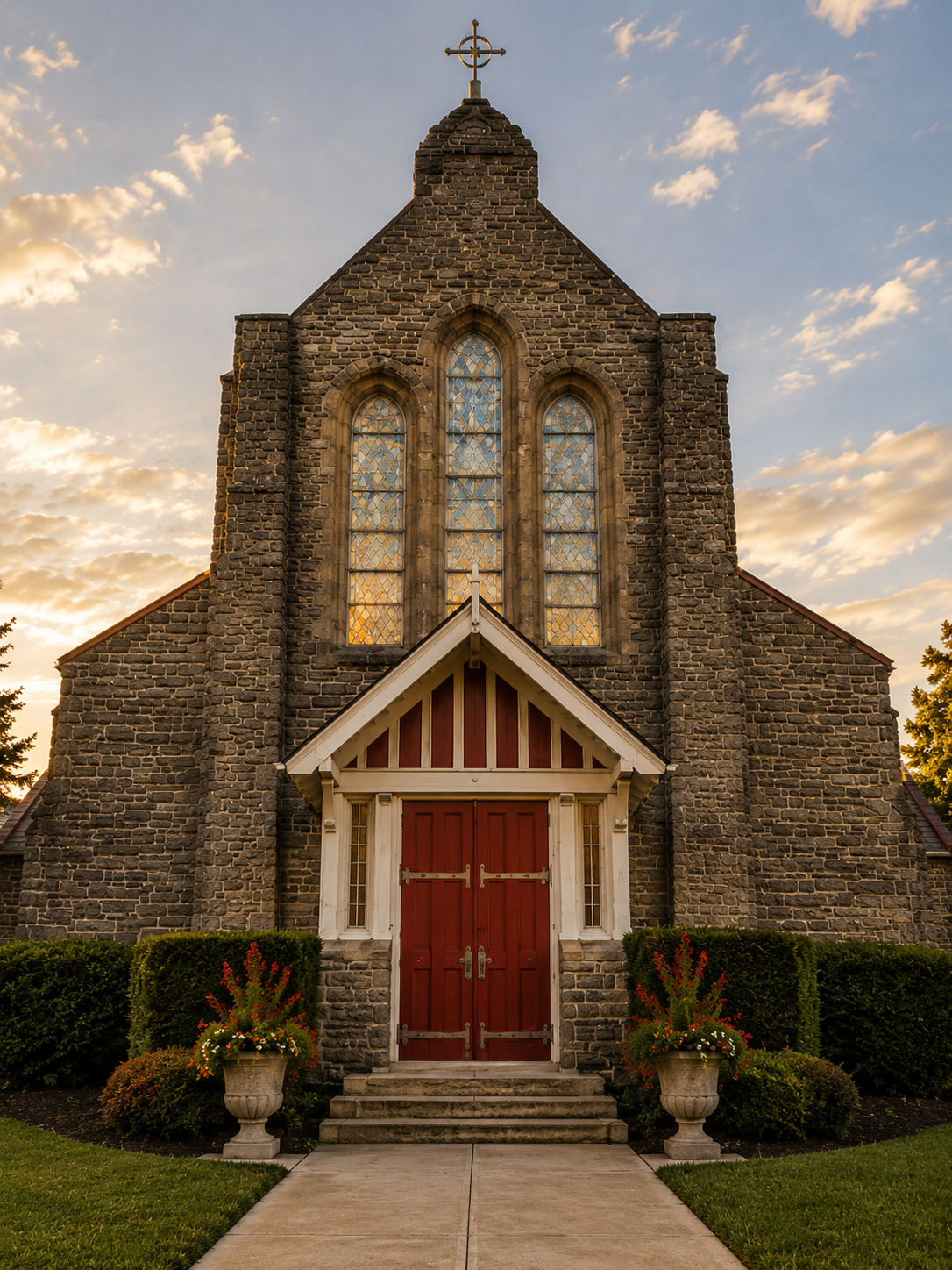
Your first time, made easy.
Come as you are
There is no dress code. Some come dressed up, some in jeans. Come exactly as you are — you will be welcome.
How long is the service?
The Sunday Eucharist runs about an hour, followed by coffee and fellowship for those who’d like to stay and connect.
What about children?
Children are always welcome in worship. We delight in the sounds of a living, growing congregation.
Where do I sit?
Anywhere you like. A greeter will be near the red doors to welcome you and help you feel at home.
Do I need to be Episcopalian?
Not at all. Whatever your background — or none — you are welcome to worship with us and to receive a blessing or Communion.
Accessibility
Please contact the church office ahead of your visit and we will be glad to help make your time with us comfortable.
A Letter from Our Priest
Beloved in Christ,
We are now in Ordinary Time in the Church’s worship cycle. This means we have journeyed through the full arc of the Church’s calendar year, and it is worth pausing to retrace that journey together.
It began with Advent, the start of the Church’s calendar year, when we celebrated the Lord’s promised coming. We used the color purple to express humility as we waited for Christ’s coming to earth to save humanity.
Then, on Christmas Day, the world received Christ’s birth through the womb of Mary, God’s servant — not in a palace or even a comfortable home, but among animals in a stable. There was nothing lofty to boast of in His earthly family or in the circle of those who would first follow Him. And this was no secret affair: it took place amid a very public Roman event, the census ordered to collect taxes from citizens (Luke 2:1–3).
Guided by a star, the Magi found their way to the place of the Christ child’s birth. Though they were outsiders, not God’s covenant people, they came to worship Him, and their gifts — gold, frankincense, and myrrh — quietly bore witness to who He was: a King, truly God, and the One destined for death and burial. Their visit and the light Christ brought into the world through it are what we celebrate as Epiphany.
In the season that followed, we marked the Baptism of the Lord, when Christ was baptized by John in the River Jordan and anointed by the Spirit for the ministry ahead of Him. Then, on Ash Wednesday, we were marked with ashes — traditionally made from the previous year’s palm branches — as a sign of humility and repentance. This ushered us into the forty-day discipline of Lent, a season for examining the past and renewing our resolve as God’s faithful servants, leading us through Holy Week.
Good Friday tells us that the purpose of Christ’s ministry was fulfilled when He was despised, crucified, and died on the cross to set humanity free from sin and the second death spoken of in Revelation 20:14. So that His body would not remain on the cross when the High Sabbath — a “high day” — began, He was placed in the tomb (John 19:31–34), in keeping with the law:
“If someone guilty of a capital offense is put to death and their body is exposed on a pole, you must not leave the body hanging on the pole overnight. Be sure to bury it that same day, because anyone who is hung on a pole is under God’s curse. You must not desecrate the land the Lord your God is giving you as an inheritance.” (Deuteronomy 21:22–23, NIV)
He remained in the tomb until the dawn of Sunday, when He rose from the dead. For forty days, the risen Christ appeared to His disciples before ascending into heaven on the fortieth day. Ten days later — fifty days after the Resurrection — He sent the Holy Spirit upon the Church, the event we know as Pentecost (Acts 2:1–11). The following Sunday, seven days after Pentecost, we celebrated Trinity Sunday.
And now, after Trinity Sunday, we enter Ordinary Time. Worship continues in like manner over three years — Years A, B, and C — and through that cycle the treasures of Scripture are opened more fully to the faithful, until we begin again with a new Advent.
Ordinary Time is not a pause in the story — it is the season in which we live out everything we have just remembered: the humility of Advent, the lowliness of the manger, the light of Epiphany, the discipline of Lent, the victory of the cross and the empty tomb, and the power of the Spirit poured out at Pentecost. May this season find us walking faithfully in that light.
Grace and peace to you all.
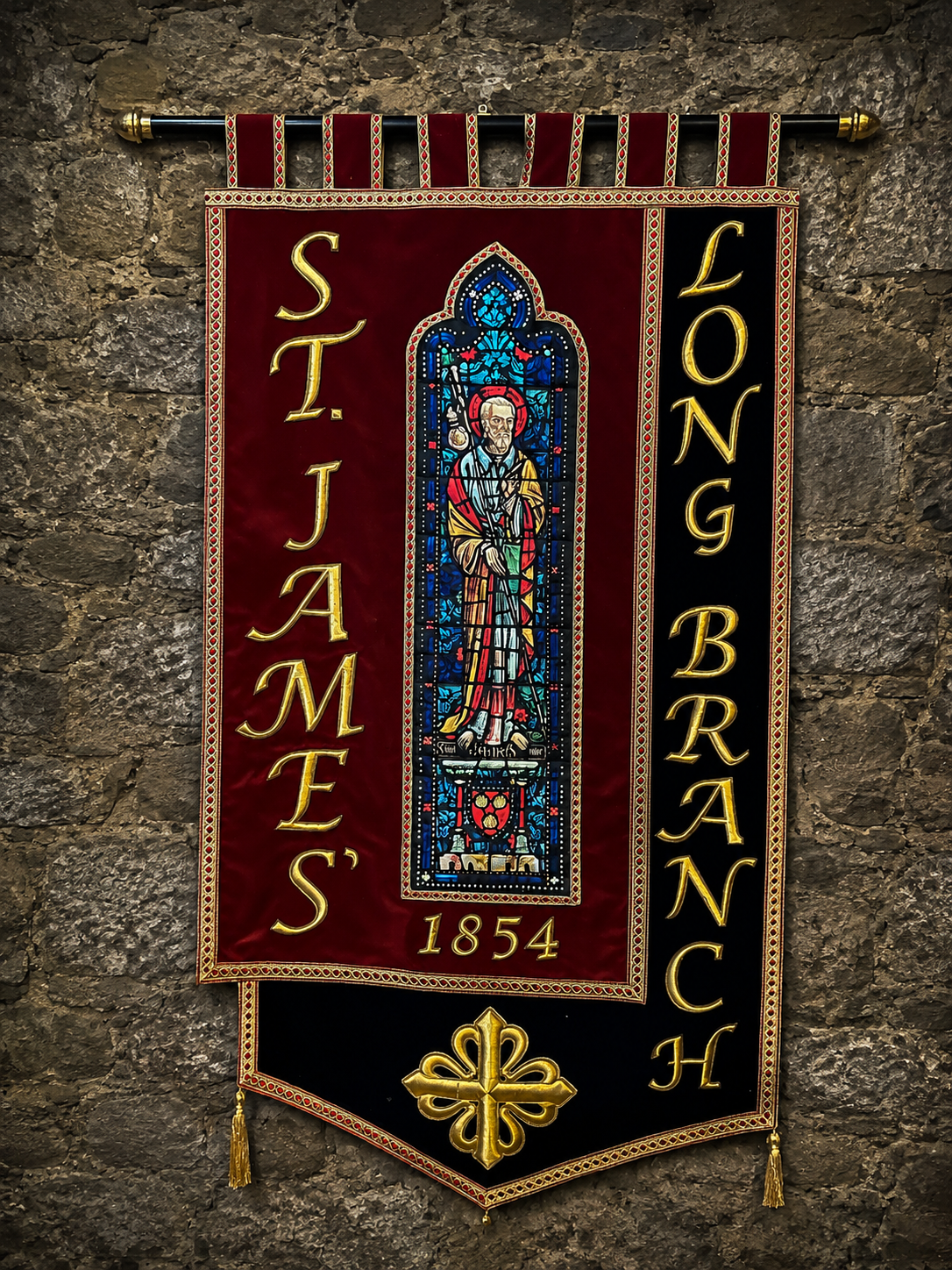
Following the seasons.
The Church Year tells the story of God’s saving work through Jesus Christ. Each season carries its own color, prayers, and sacred symbols. Our liturgical banners visually mark the journey through Advent, Christmas, Epiphany, Lent, Holy Week, Easter, Pentecost, and the season of the saints.
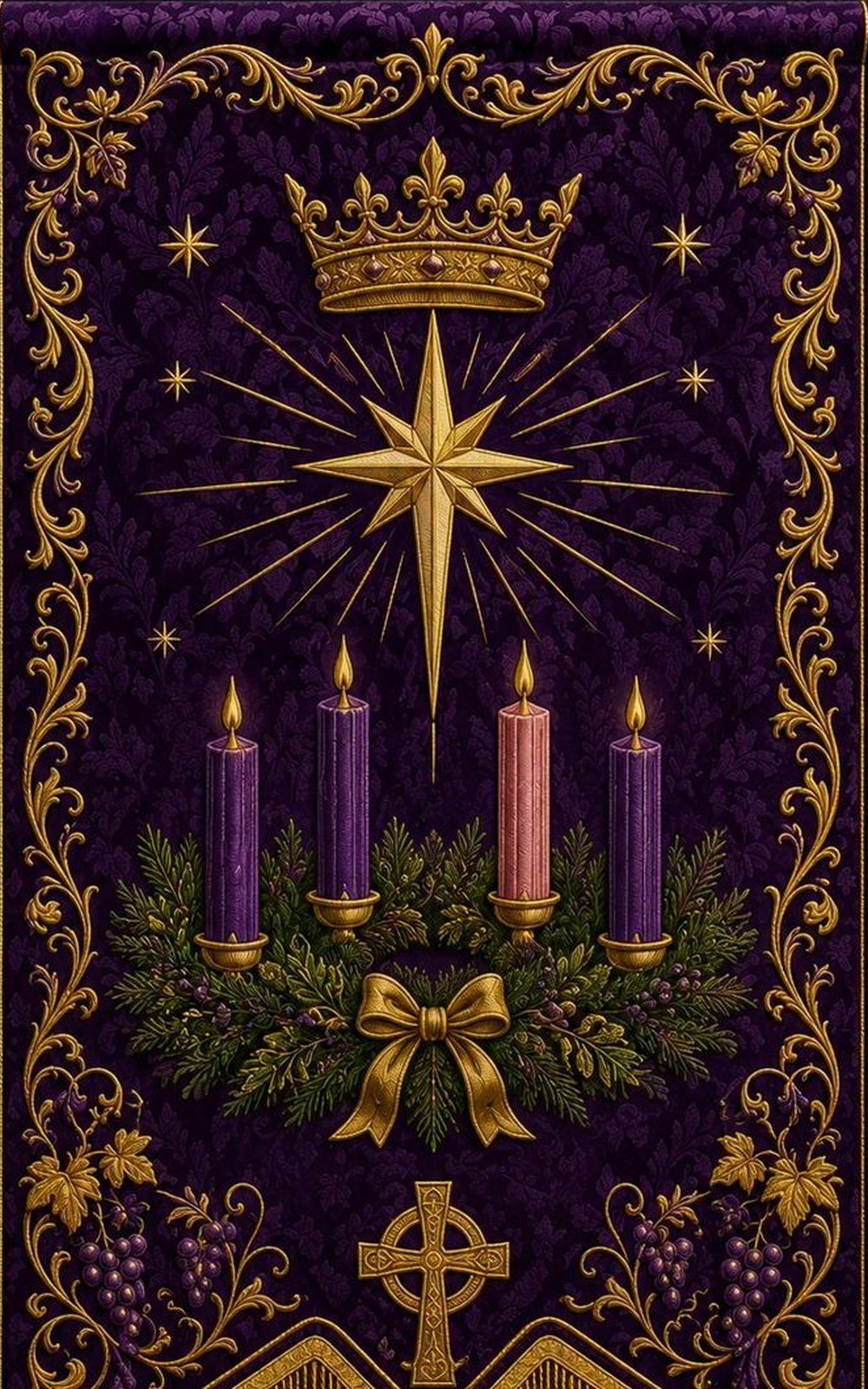
Advent
Hope · Preparation · Watchfulness
The Star points the way to Christ. The Advent wreath marks the passing weeks of preparation. The crown reminds us that Christ is the promised King.
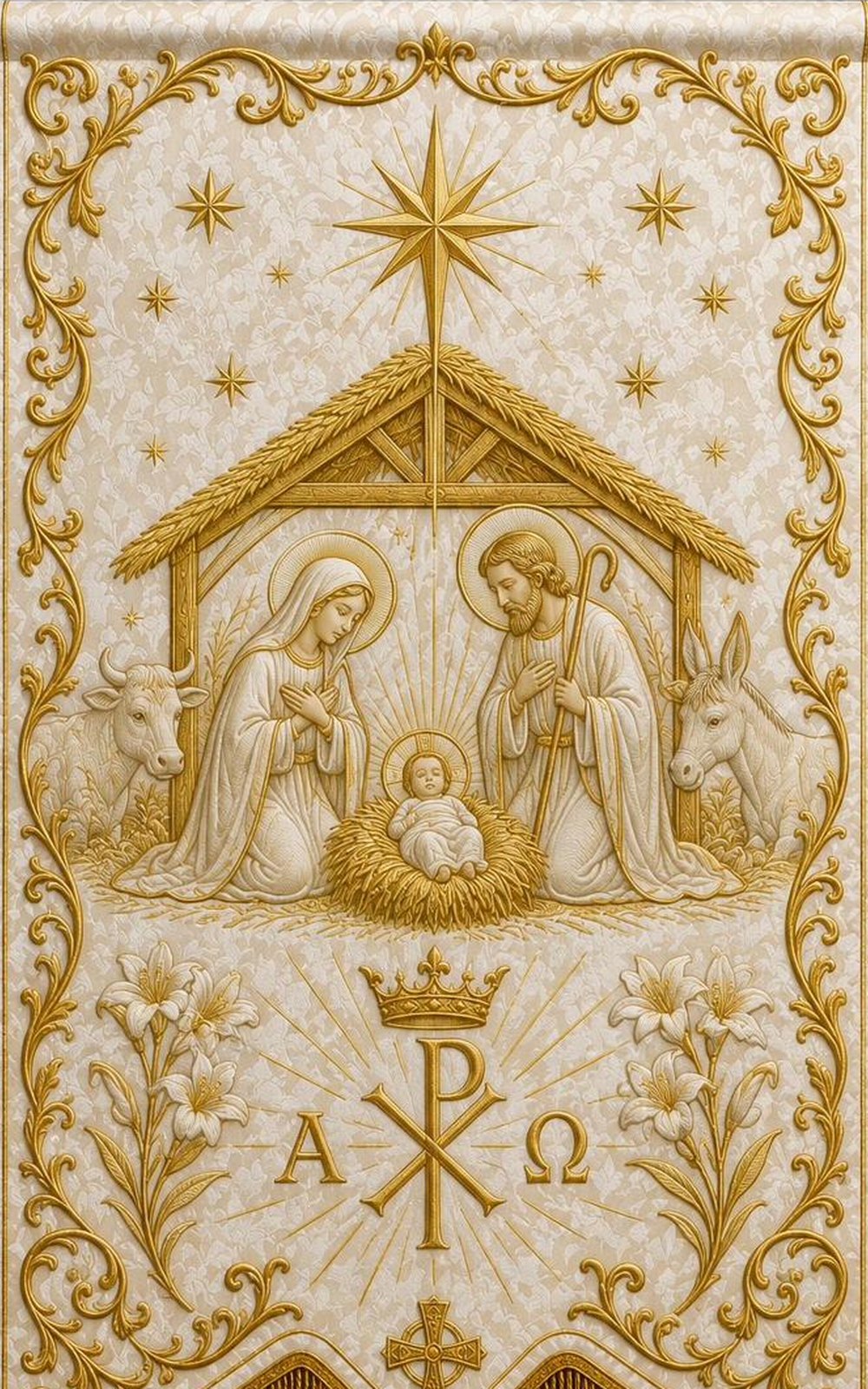
Christmas
Incarnation · Joy · Light
The Nativity reveals God’s love entering the world through the birth of Christ. The Alpha and Omega remind us that Christ is the beginning and the end.
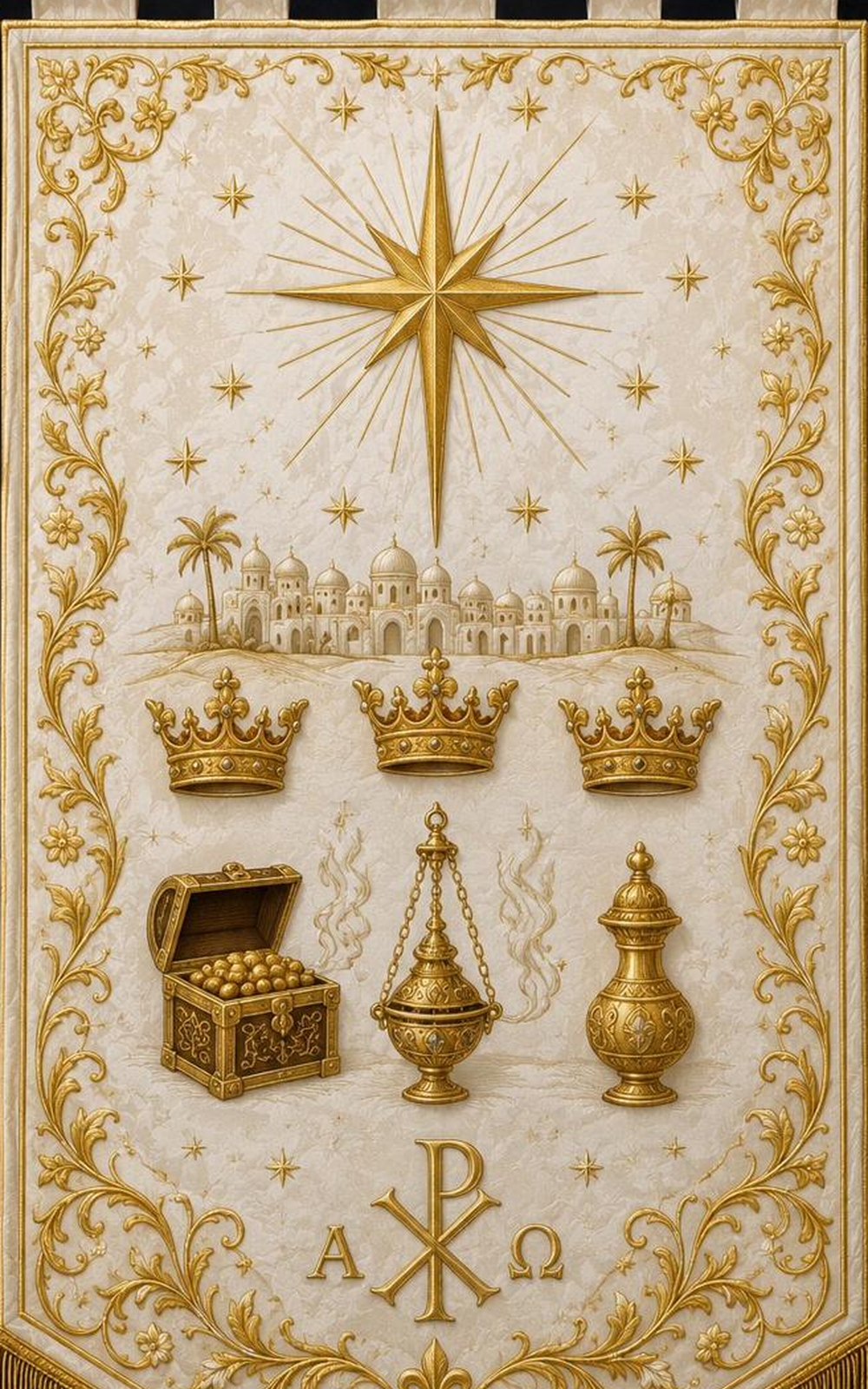
Epiphany
Revelation · Light · Mission
Christ is revealed as Savior not only for Israel, but for the whole world. The Magi journey from the East with gold, frankincense, and myrrh to honor the Christ child.
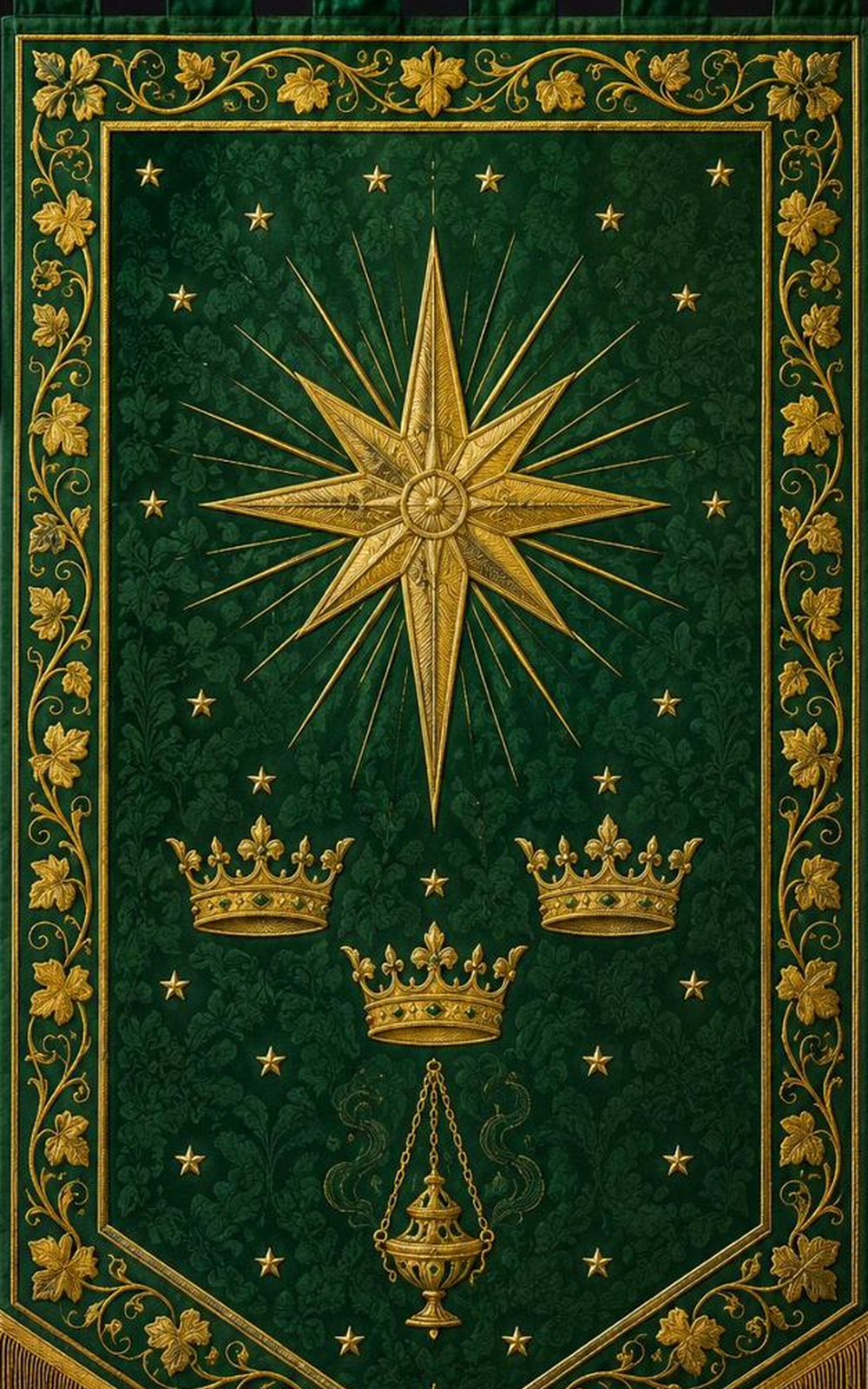
Season After Epiphany
Growth · Discipleship · Ministry
The light of Christ continues to be revealed. Green represents spiritual growth and the unfolding work of Christ in the world.
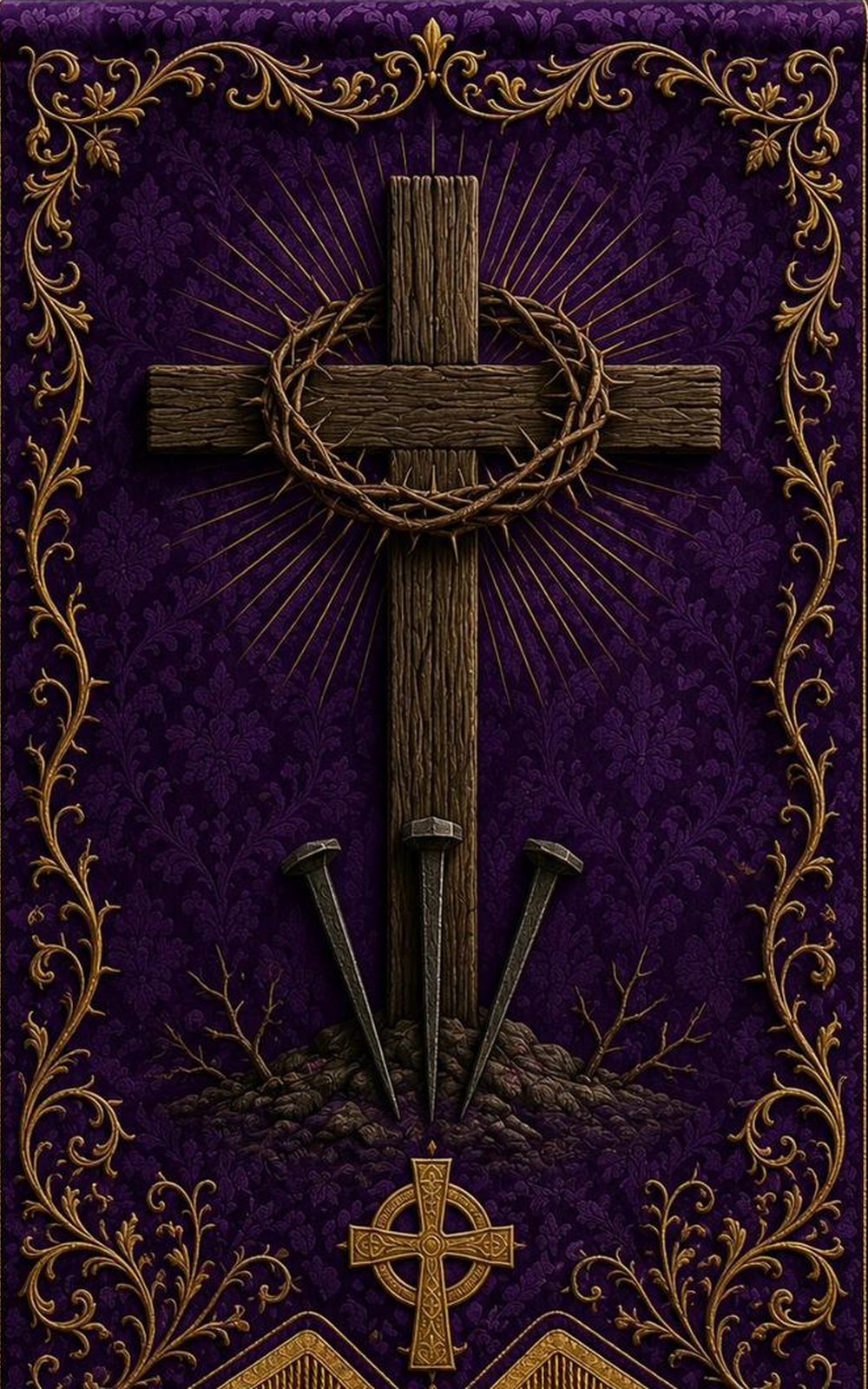
Lent
Repentance · Reflection · Preparation
The cross and crown of thorns remind us of Christ’s suffering and sacrifice. The season calls us to repentance and renewed faith.
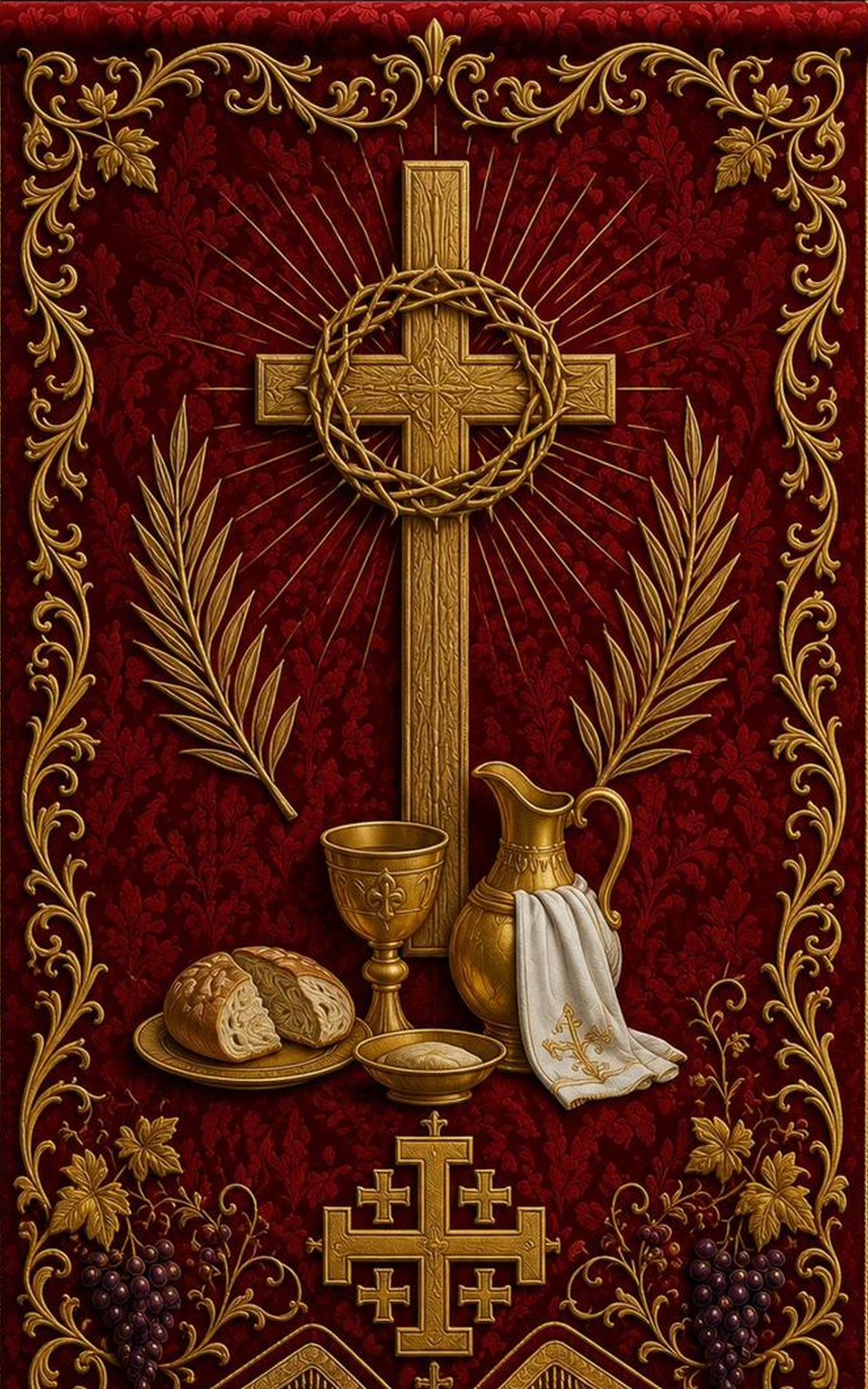
Holy Week
Passion · Sacrifice · Redemption
The palms recall Christ’s triumphal entry into Jerusalem. The chalice and bread point to the Last Supper. The cross stands at the center of God’s redemptive love.
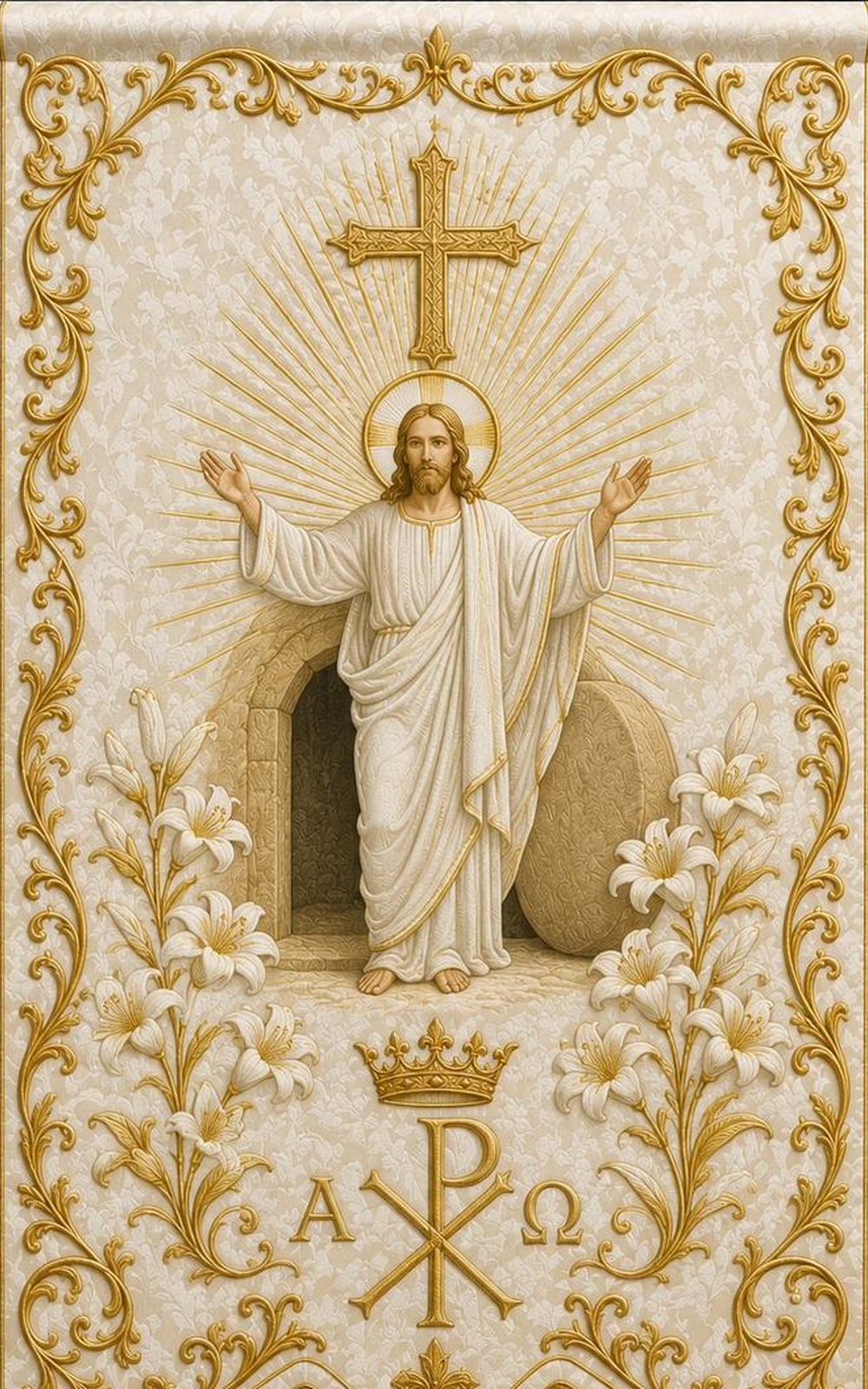
Easter
Resurrection · Victory · New Life
The empty tomb proclaims the Resurrection. The lilies symbolize purity, renewal, and new life in Christ.
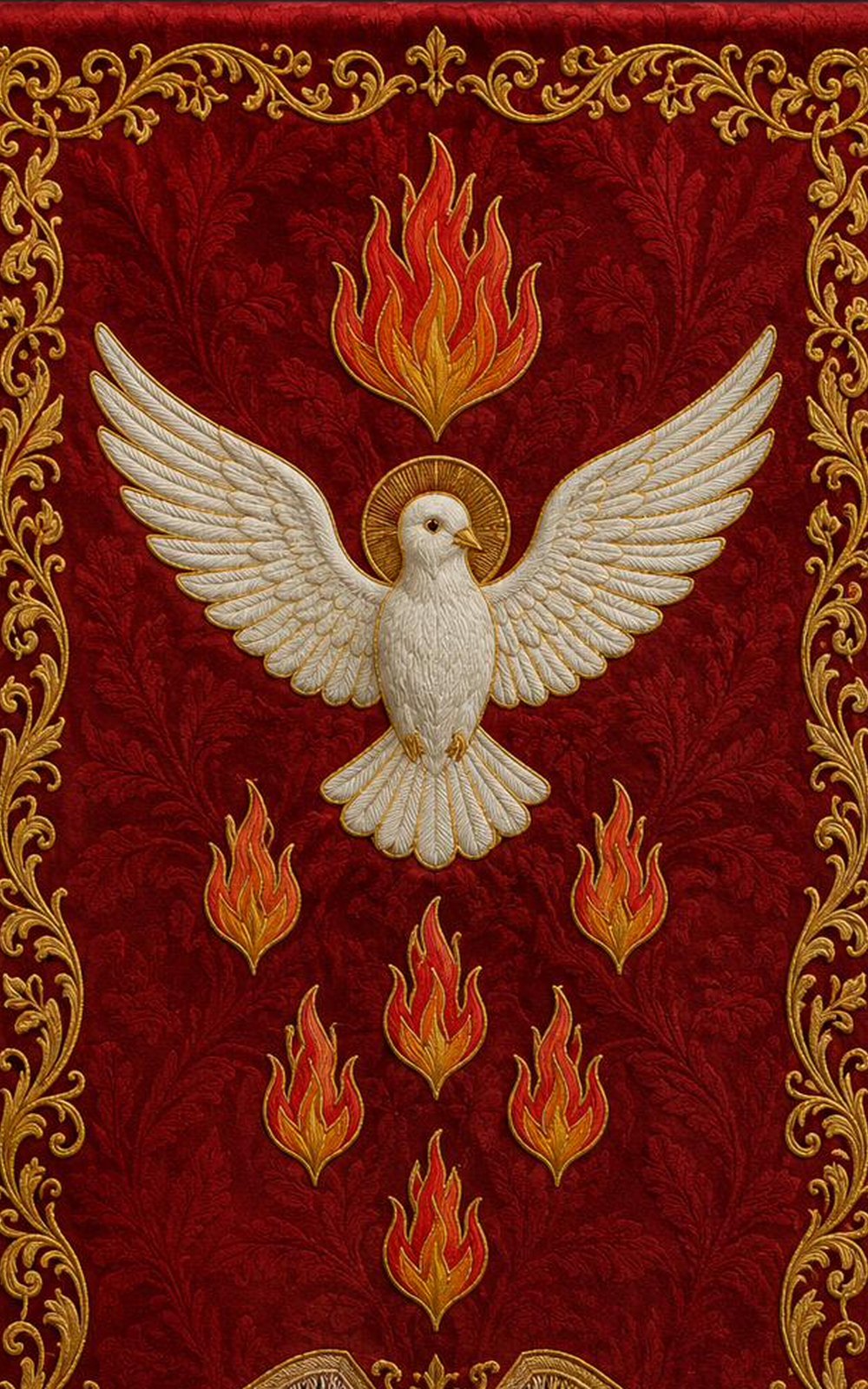
Pentecost
Holy Spirit · Mission · Birth of the Church
The Holy Spirit empowers the Church for ministry and mission. Pentecost is often called the birthday of the Church.
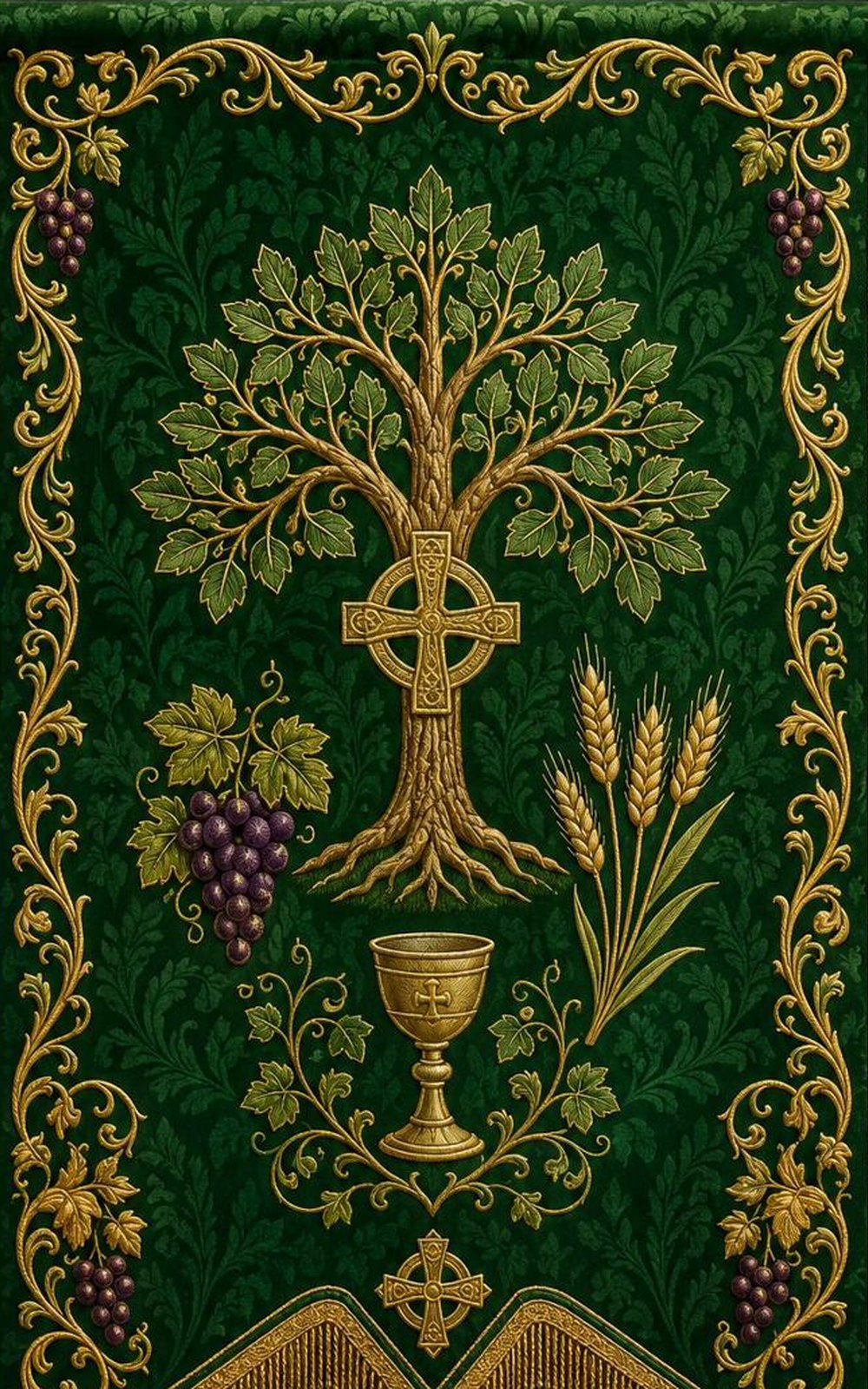
Season After Pentecost
Growth · Service · Christian Living
The Tree of Life represents continual spiritual growth. Grapes and wheat symbolize the Eucharist and the sustaining presence of Christ.
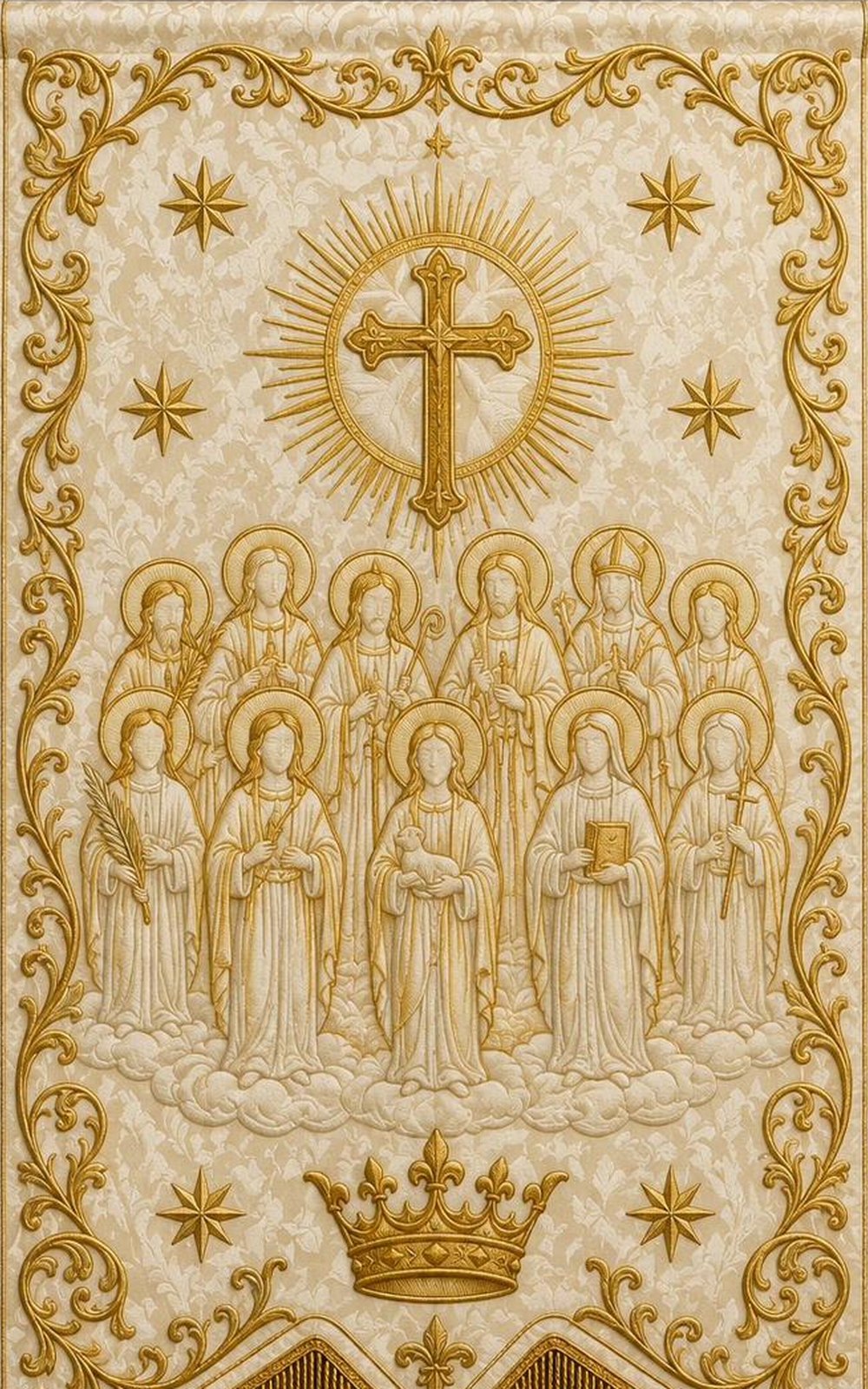
All Saints
Communion of Saints · Faithfulness · Eternal Hope
The saints remind us that we are part of a great cloud of witnesses who have gone before us in faith. The crown symbolizes the victory of eternal life in Christ.
Plan your first visit.
We’ll tell you everything you need to know — where to park, what to expect, and how to find us on Broadway.